What if We Are the Giants?
I’ve seen a few posts on social media about planting trees because it helps future generations, and it got me thinking about how there are other examples of that too, particularly in social justice movements. What follows is a post from December 2017 about the #metoo movement. While the struggle continues, we aren’t in the pre-2017 world because the legal and structural architecture of the workplace has fundamentally changed. The movement successfully passed systemic protections that cannot be easily undone.
The other day, a friend of mine confessed she’s struggling to find the silver lining in the #metoo campaign. Yes, it’s about time certain men experience the consequences of their inappropriate sexual mistreatment. She applauded that, but what about the survivors themselves? For their hardship? Where is their silver lining when many are suffering from PTSD or other symptoms?
The question stuck with me because while it’s true sometimes suffering leads to transformation, sometimes suffering is just painful and unreasonable and scarring. Where is the good in all that? For me, the answer comes when I change my perspective, when I look beyond the individual and see society as a whole.
Specifically regarding #metoo, the silver lining is that things are changing for the people behind us. Future generations won’t have to deal with the same things we are. Man after man is losing his job due to sexual misconduct allegations. Things cannot and will not be the same after this. In that way, hardship has made things better for future generations.
I’ve written about this before, but in yogic philosophy we have a word for this: tapah. Tapah means undergoing hardship in order to help others. Normally, when I think of tapah, it’s on an individual and physical level, as in helping someone move into their new apartment. Or giving away food when I’m hungry because someone else is hungrier than I am. But there’s also tapah on a grander scale. Sometimes undergoing difficulties benefits not only the people we interact with directly, but those we don’t. And furthermore, sometimes undergoing difficulties benefits not only current generations, but future ones.
This makes sense when we take a historical perspective. I’m thinking about unions. How many children died before we enacted child labor laws? How many people had to suffer before we shortened the work week to five days? Some people lived to see those changes, but some did not. Individually, we might say nothing good came from the person’s struggles, especially if no direct link exists between their hardship and change, but collectively it adds up to something greater.
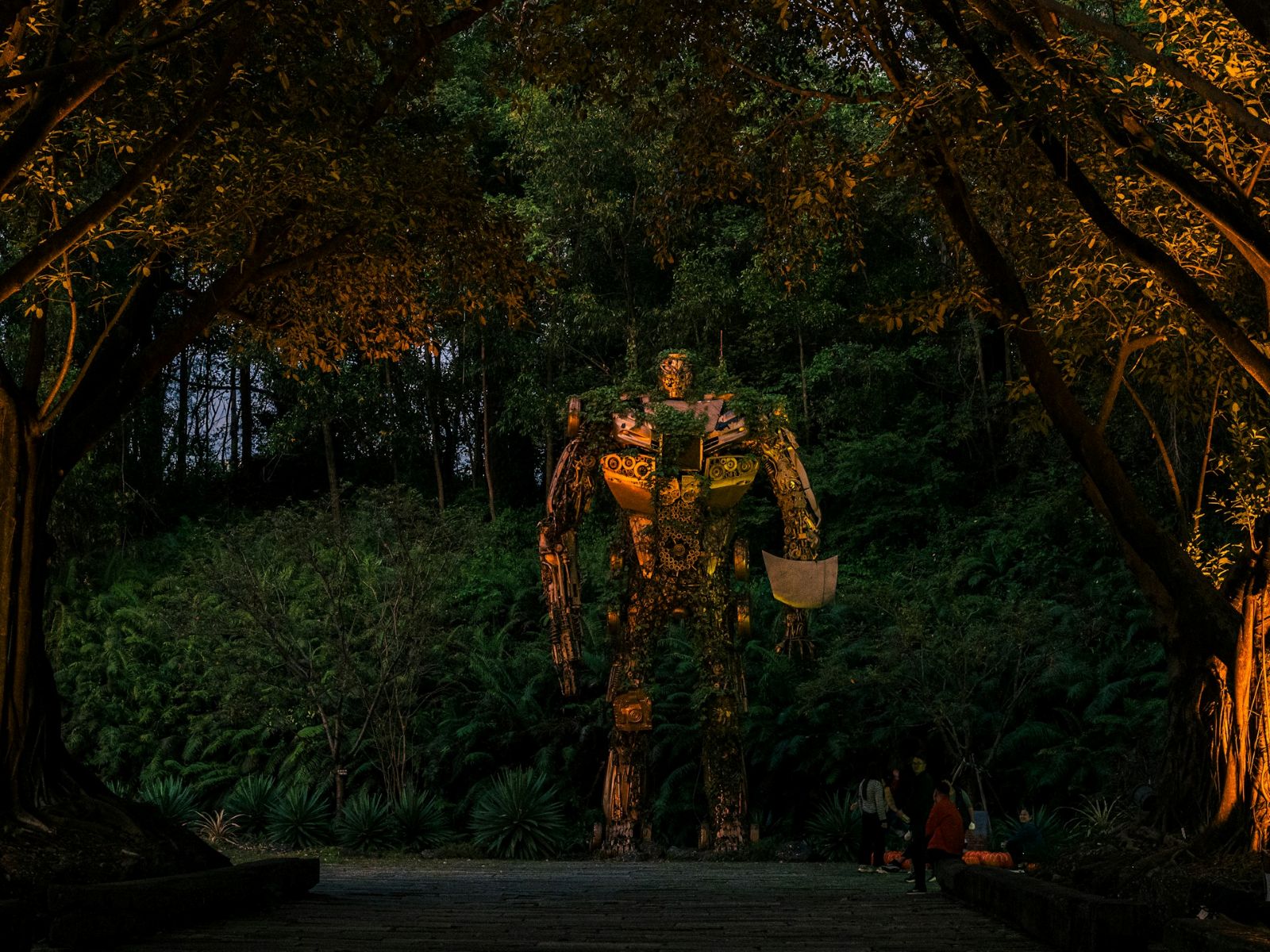
I’ve heard before that we stand on the shoulders of giants. Usually we say that in the context of innovation and discovery. But what if we stand on the shoulders of giants regarding darker things too? And what if we ourselves are giants for the people coming after us?
I dream of a world where we recognize our actions have consequences not only for us, but for those who come after us. A world where we remember we may not see the fruits of our actions, but that doesn’t mean our actions don’t bear fruit. A world where we take a broader perspective and realize sometimes we are the giants people will stand on the shoulders of.
Another world is not only possible, it’s probable.
